Decoding Cross-Platform Bonus Layering in Equine Versus Team Sports Wagering Ecosystems
Morgan Lange · Sep 10, 2026
Decoding Cross-Platform Bonus Layering in Equine Versus Team Sports Wagering Ecosystems
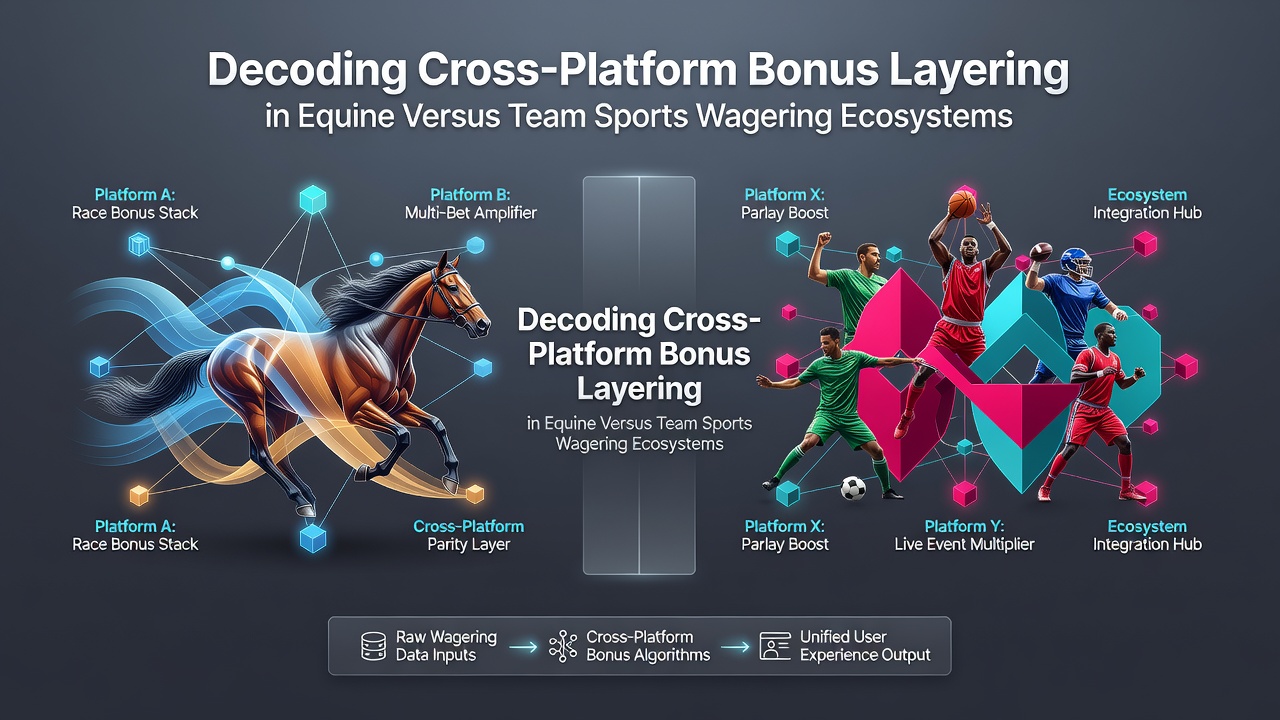
Operators in the wagering sector structure bonuses differently depending on whether the focus rests on equine events or team sports, and cross-platform layering adds further variables that users must track across multiple applications. Equine wagering often ties bonuses to specific race meetings or tote pool contributions while team sports incentives frequently link to match outcomes, player performances, and live in-play adjustments. Researchers tracking these systems note that layering occurs when a user combines sign-up offers, deposit matches, and ongoing loyalty rewards from separate platforms without triggering exclusion clauses in any single provider's terms.
Mechanics of Bonus Construction in Equine Markets
Equine platforms typically issue free bets or enhanced place terms that activate only after a qualifying stake on a named race, and these offers sometimes stack with cashback schemes that return a percentage of losses across an entire meeting. Data from regulatory filings shows that many operators limit the number of layered equine bonuses to prevent over-redemption during high-volume festival periods such as the Cheltenham Festival or Royal Ascot. Observers note that cross-platform layering becomes viable when one app supplies a deposit match while another supplies a risk-free bet on the same runner, provided the operators do not share user data pools that would flag duplicate accounts.
Team Sports Bonus Structures and Layering Patterns
Team sports operators design bonuses around accumulator builders, same-game multis, and boost tokens that multiply odds on selected legs, and these products often carry stricter rollover requirements than their equine counterparts. Studies compiled by the American Gaming Association indicate that football and basketball platforms release more frequent micro-bonuses tied to individual quarters or halves, creating additional layering opportunities across mobile and desktop environments. Users who maintain accounts on separate platforms can sometimes apply a profit boost from one provider to a bet that already carries an enhanced price from a second provider, though most terms require the full stake to originate from the user's own funds rather than prior winnings.
Platform Interoperability and Data Tracking
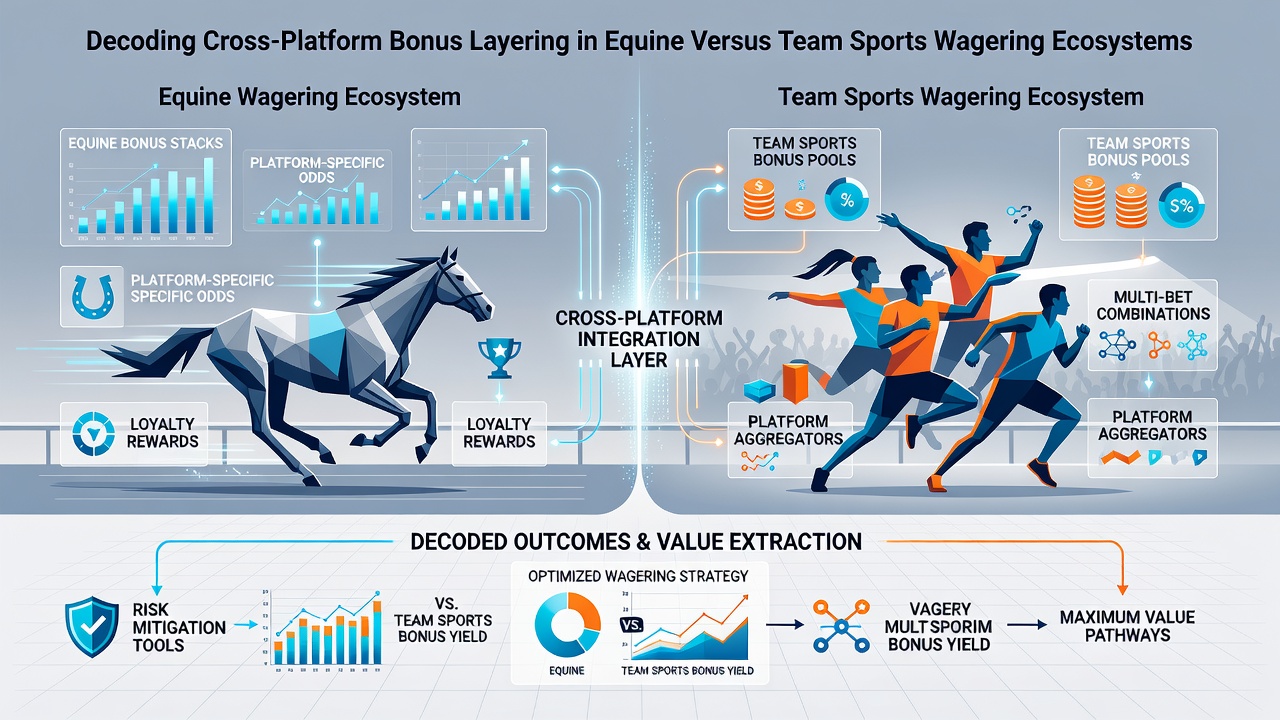
Cross-platform systems rely on device fingerprinting, payment method verification, and IP address monitoring to detect layered bonus abuse, and equine operators appear to apply these controls more stringently during peak racing seasons. Team sports platforms, by contrast, often permit limited stacking during major tournaments because higher overall handle volumes offset the cost of multiple redemptions. Figures released in September 2026 by several North American state regulators reveal that equine bonus redemption rates sit approximately 12 percent lower than team sports rates when users attempt to combine three or more offers across distinct applications.
Regional Regulatory Influences on Layering Practices
Regulators in different jurisdictions impose varying caps on bonus values and require clear disclosure of stacking limitations, and these rules directly shape how operators design cross-platform campaigns. The Victorian Commission for Gambling and Liquor Regulation publishes quarterly summaries that track bonus-related complaints, and those reports show equine users raise fewer layering disputes than team sports users despite similar bonus volumes. Operators respond by embedding unique identifiers in each bonus code so that automated systems can reject combinations that violate published rules without manual review.
Practical Examples of Layering Across Ecosystems
One documented pattern involves a user claiming a matched deposit on an equine platform, transferring a portion of the resulting balance to fund a team sports accumulator on a separate app, and then applying a separate cashback offer to any losing legs. Such sequences remain permissible only when each provider's terms explicitly allow external funds and when teh user's activity does not breach responsible gambling thresholds monitored by the respective platforms. Data indicates that successful layering correlates strongly with users who maintain distinct payment profiles and who space redemptions across several days rather than concentrating activity within a single session.
Conclusion
Cross-platform bonus layering operates under different constraints in equine and team sports ecosystems because the underlying event structures, regulatory environments, and user behavior patterns diverge. Operators continue to refine detection methods while users explore combinations that remain within published rules, and ongoing data collection from multiple jurisdictions supplies the clearest picture of how these practices evolve through 2026 and beyond.