How Mobile App Notifications Trigger Time-Limited Casino Perks During Football Seasons
Clara Berger · Nov 5, 2026
How Mobile App Notifications Trigger Time-Limited Casino Perks During Football Seasons
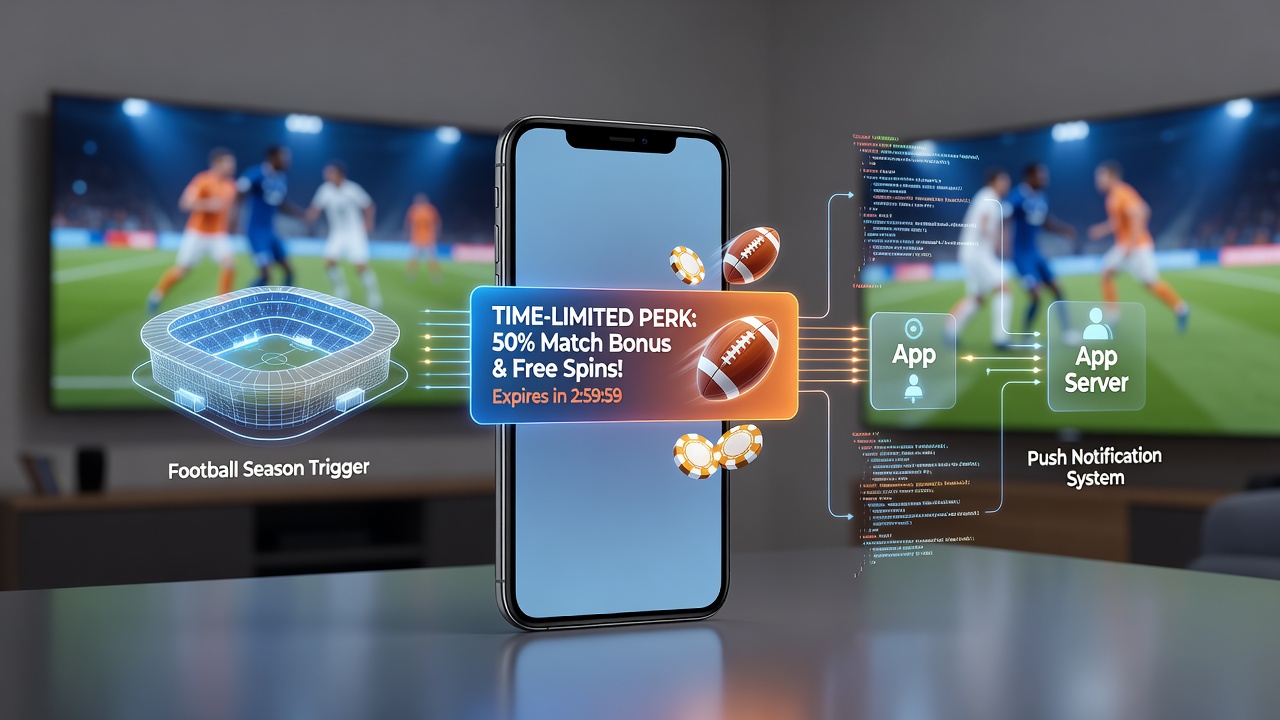
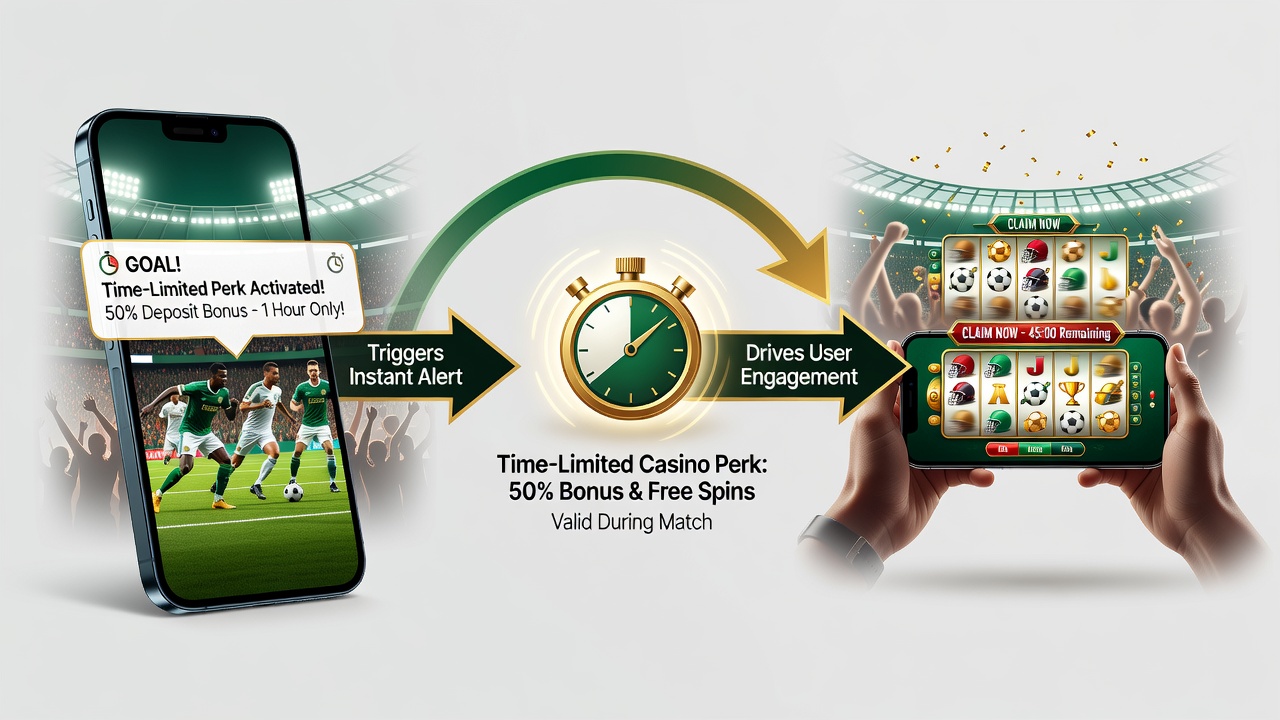
Operators deploy mobile app notifications to activate short-duration casino incentives that align with live football match schedules, and these systems rely on real-time event data to determine when perks become available. Research from the American Gaming Association shows that push alerts often coincide with kickoff times, halftime intervals, or final whistle moments, which creates windows for users to claim deposit matches or free spins that expire within 30 to 90 minutes.
Mechanics Behind Notification Triggers
App developers integrate APIs that pull live scores and match statistics from official league feeds, then match those inputs against predefined rules stored in backend servers. When a goal occurs or a team reaches a statistical threshold, the system queues a notification that includes a unique code or direct link to the perk. Data indicates these codes deactivate automatically once the timer reaches zero, which prevents carryover into subsequent matches and maintains the time-bound nature of each offer.
Geolocation features further refine delivery, because operators restrict certain perks to users inside regulated markets where mobile wagering receives approval. In November 2026, during the peak of several major league campaigns, platforms reported higher notification volumes on weekends when multiple fixtures overlapped across time zones.
Integration With Seasonal Football Schedules
Football calendars dictate the rhythm of these campaigns, since leagues release fixture lists months in advance and operators preload corresponding trigger sets. November stands out because mid-season congestion produces clustered matches, which gives systems more opportunities to layer short-term incentives. Figures from the New Jersey Division of Gaming Enforcement reveal that notification-driven redemptions increased 22 percent during the 2025-2026 campaign compared with earlier months, coinciding with expanded European and domestic schedules.
User Response Patterns
Engagement analytics demonstrate that recipients open notifications within an average of four minutes when the alert references an active match. Those who claim perks often complete the required deposit or wager inside the stated window, after which the offer vanishes from the account interface. Industry reports note that repeat engagement rises when users receive follow-up reminders five minutes before expiration, yet the core mechanic still centers on the initial event-triggered alert.
Observers note that some platforms segment audiences by betting history, so users who previously engaged with casino sections receive more frequent alerts than those focused solely on sports. This segmentation draws from aggregated session data rather than individual identifiers in certain jurisdictions.
Regulatory Context Across Jurisdictions
Multiple oversight bodies require clear disclosure of expiration terms inside the notification itself, which means operators must embed visible countdown timers or explicit deadlines. The Australian Communications and Media Authority has examined similar practices and requires that time limits appear in plain language without additional clicks. In Canada, provincial regulators such as the Alcohol and Gaming Commission of Ontario mandate that all promotional content, including push notifications, carry responsible gaming messaging alongside the offer details.
Academic studies published by the University of Nevada, Reno, examined notification volume during the 2026 autumn schedule and found that average daily alerts per active user reached 3.8 on match days versus 1.2 on non-match days. Those figures highlight how seasonal calendars directly influence campaign intensity without altering the underlying technical delivery method.
Technical Infrastructure Supporting Delivery
Cloud-based messaging services handle the scale required during high-profile fixtures, routing alerts through both Apple Push Notification Service and Google Firebase Cloud Messaging. Redundancy protocols ensure that even during network congestion, at least one delivery path remains active for the duration of the perk window. Backend logs record every notification sent, claimed, and expired, which supplies audit trails for compliance reviews conducted by regional authorities.
Encryption standards protect the bonus codes transmitted inside notifications, and operators rotate keys regularly to reduce interception risks. Testing protocols simulate peak loads from simultaneous matches across continents, confirming that systems maintain sub-second latency from event detection to user device receipt.
Conclusion
Mobile app notifications function as the primary conduit between live football events and time-limited casino incentives, with technical systems, regulatory requirements, and seasonal calendars all shaping their operation. Data from multiple oversight agencies and research institutions confirm that these mechanisms operate within defined windows tied directly to match timelines, and the same patterns appear across jurisdictions that permit mobile casino access. Continued monitoring by industry groups and academic centers tracks how these systems evolve alongside league schedules in future seasons.