Tracing Retention Mechanics in Algorithm-Personalized Wagering Incentives Across Digital Platforms
Wendy Walter · Aug 20, 2026
Tracing Retention Mechanics in Algorithm-Personalized Wagering Incentives Across Digital Platforms
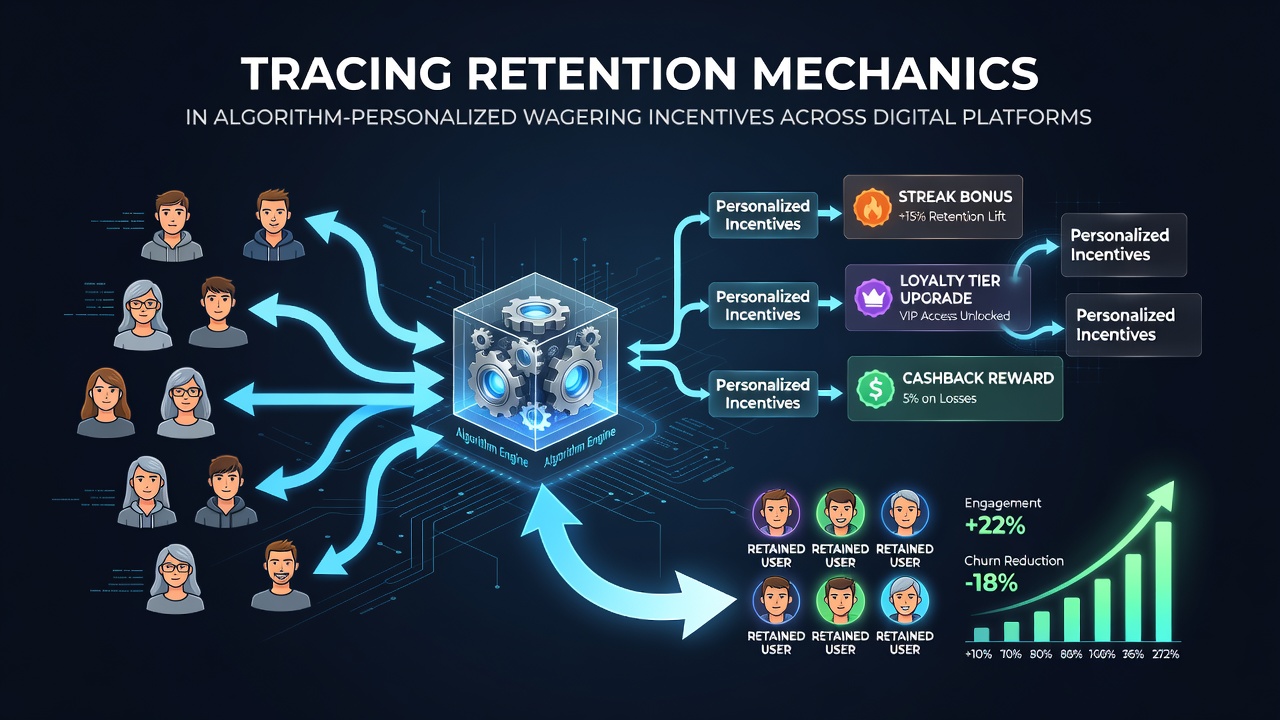
Digital wagering platforms employ complex data systems to track user activity and deliver tailored incentives that encourage continued participation, and these mechanics operate through layers of data collection combined with machine learning models that adjust offers in real time based on individual patterns. Observers note that retention strategies rely on continuous monitoring of betting frequency, deposit amounts, and engagement metrics, while algorithms identify users at risk of reducing activity or leaving the platform altogether. Researchers at institutions studying online gambling behaviors have documented how these systems process millions of data points daily to generate personalized bonuses, free bets, and cashback structures that vary by user profile.
Data Collection Foundations
Platforms gather information from multiple touchpoints including login times, wager types, and navigation paths through mobile applications or websites, and this raw data gets aggregated into user profiles that algorithms reference when deciding which incentives to surface. Studies from academic groups in Australia indicate that session length and response to prior promotions serve as key predictors for future retention, whereas cross-device tracking links activity across phones, tablets, and desktops to create unified behavioral maps. Regulatory filings from bodies such as the Nevada Gaming Control Board show that operators must log these data streams for compliance purposes, yet the same records enable precise incentive calibration that targets specific user segments with offers matched to their historical spending levels.
Algorithmic Personalization Processes
Machine learning models analyze historical wagering data to forecast churn probability, and they assign retention scores that trigger customized incentives ranging from deposit matches scaled to recent activity to time-limited promotions tied to preferred bet categories. Data from industry reports reveal that reinforcement learning techniques allow systems to test multiple offer variations simultaneously, then refine future deliveries according to which versions produce the highest engagement rates. Those who examine these systems find that personalization extends to notification timing and channel selection, with algorithms determining whether a user receives an email, push alert, or in-app message based on past interaction logs.
Incentive Structures and Retention Tactics
Wagering platforms deploy several categories of algorithm-generated incentives that adapt weekly or even daily, and examples include loyalty multipliers that increase based on consecutive active days alongside risk-adjusted cashback percentages calculated from loss patterns. Research conducted by the Australian Gambling Research Centre demonstrates that such variable rewards maintain user presence longer than static offers because the personalization creates perceived relevance, while platforms track redemption rates to further optimize the next cycle of incentives. In August 2026, updated platform analytics indicated rising adoption of dynamic free bet allocations that factor in both recent win streaks and overall lifetime value metrics to balance retention with revenue targets.
Cross-Platform Tracing Capabilities
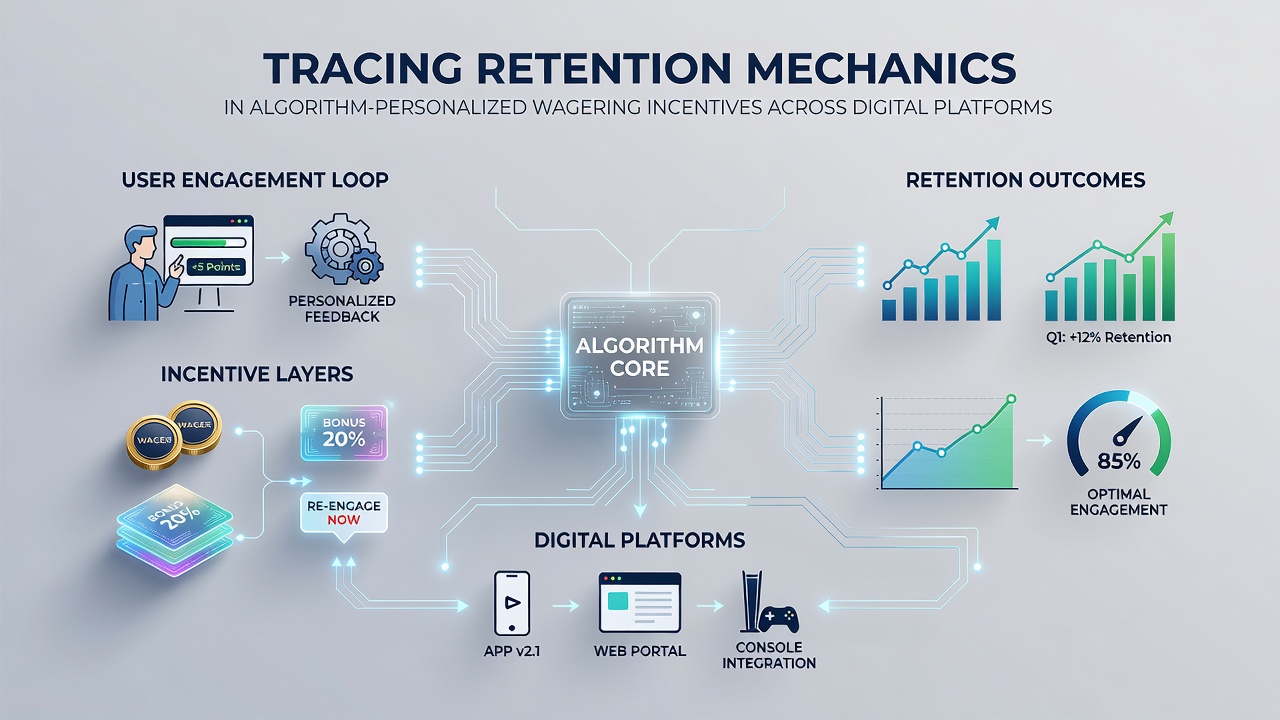
Operators increasingly share anonymized data through industry consortia or third-party analytics providers, and this allows algorithms to recognize returning users who migrate between different wagering applications even when accounts appear separate. Figures released by Canadian regulatory agencies highlight how device fingerprinting combined with behavioral biometrics enables continuity of incentive personalization across platforms, whereas users who switch services often encounter similar tailored offers within days of establishing new accounts. Observers tracking these practices report that graph-based algorithms map connections between accounts using shared payment methods and IP address histories, which in turn informs coordinated retention campaigns that follow individuals across the digital wagering ecosystem.
Regulatory and Technical Developments
Government agencies in multiple jurisdictions require transparency around automated decision-making systems used for incentive delivery, and compliance documentation from the Malta Gaming Authority outlines standards for auditing algorithmic fairness in personalized promotions. Technical advancements in 2026 include greater use of federated learning that lets platforms improve models without centralizing all user data, while preserving the ability to trace incentive effectiveness across borders. Industry associations such as the European Gaming and Betting Association publish periodic summaries showing how these tracing tools evolve alongside privacy regulations that limit certain forms of data linkage.
Conclusion
Algorithm-personalized wagering incentives function through integrated data pipelines and adaptive models that continuously adjust offers to sustain user activity across digital platforms, and tracing these mechanics reveals interconnected systems of collection, prediction, and delivery that operate at scale. Evidence from regulatory reports and academic analyses documents the technical infrastructure supporting retention efforts, while developments in August 2026 reflect ongoing refinements in cross-platform tracking methods. The structures described here continue to shape how wagering services maintain engagement through precisely calibrated incentives informed by extensive behavioral datasets.